
Choosing between an evidence-based weekly cohort program and a long-established, specialty-focused ICF program.
Updated for 2026 pricing | ~10 minute read
If you are researching coach training programs, the Institute for Life Coach Training (ILCT) is one of the earliest ICF-accredited programs, and Coach Training EDU is built around an evidence-based approach. Both are ICF-accredited and emphasize specialization.
This guide compares CTEDU and ILCT across cost, methodology, format, business development, and credential pathway. Our goal is to help you self-select, not to argue that one is better than the other.
Quick Comparison
| Dimension | CTEDU | ILCT |
| Total tuition | $4,950 paid in full, or $475/month for 12 months (Essentials, 1.0 Essential Course) | About $4,305 for the ACC path. About $7,700 for the PCC path. |
| ICF accreditation | Level 1 (ACC) and Level 2 (PCC) | ICF-accredited (one of the earliest). Also recognized for the Board Certified Coach (BCC) path. |
| Time to completion | 6 months standard (3-month accelerated option available) | A blend of guided and self-paced learning |
| Methodology | Positive psychology, sports psychology, neuroscience, Hope Theory | ICF core competencies with a strong specialties focus |
| Class structure | Weekly live online classes, small cohorts of 6 to 12 | Teleclass and online sessions, combining guided and self-paced study |
| Business development | Weekly Business Building Masterclasses included | Specialty tracks available. Confirm business-building inclusion. |
| Mentor coaching | 10 hours included (7 group + 3 individual) | Included in the credentialing paths. Confirm current details. |
| Background | 4,000+ across 50+ countries | Among the first ICF-accredited programs, long-established |
Pricing and program details verified against publicly available sources as of June 2026. Programs update offerings periodically, and some do not publish fixed tuition prominently. Confirm current details directly with each provider before enrolling.
Background on Each Program
The Institute for Life Coach Training (ILCT)
ILCT was among the first coach training programs to receive ICF accreditation, and it was the first program selected by the Center for Credentialing and Education to train graduate-level professionals pursuing the Board Certified Coach credential. It offers two routes: a Credentialing Path and a Specialties Path, the latter aimed at coaches who want to focus in a defined area.
Coach Training EDU
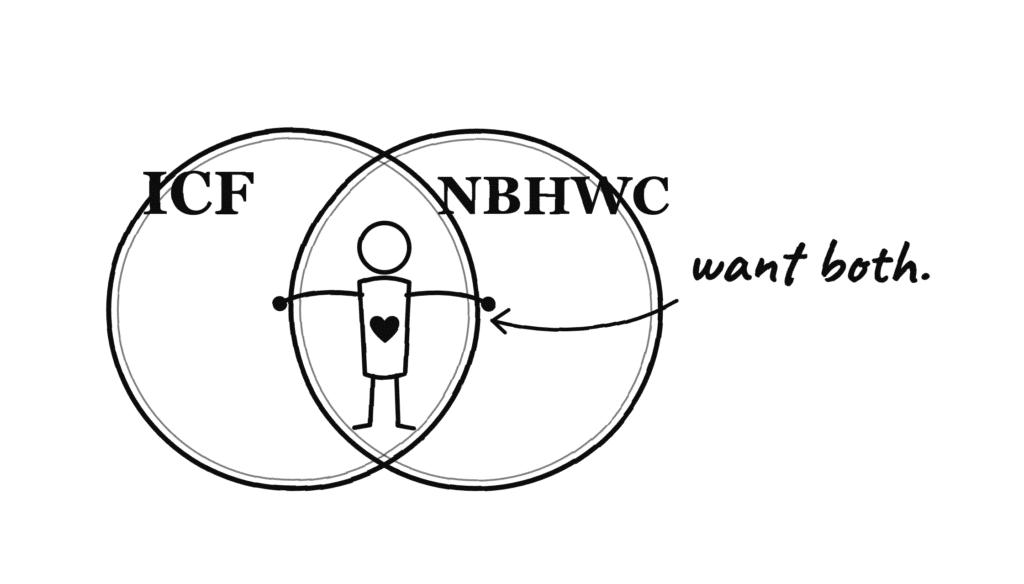
John Andrew Williams founded CTEDU in 2008. The school is built on positive psychology, sports psychology, neuroscience, and Hope Theory, and the curriculum is updated every two years to reflect current research. CTEDU has graduated over 4,000 coaches across 50+ countries. It offers ICF Level 1 and Level 2 pathways, plus NBHWC alignment, weekly live classes in small cohorts of 6 to 12, and integrated business development.
Methodology Differences
ILCT is built around the ICF core competencies, with a notable emphasis on specialty tracks for coaches who want to concentrate in a particular area. Its heritage with helping professionals and the BCC path gives it a strong footing with clinically-adjacent audiences.
CTEDU is anchored in positive psychology, sports psychology, neuroscience, and Hope Theory, with a curriculum updated every two years. It also offers defined specializations, including NBHWC-aligned wellness coaching.
Both emphasize ICF competencies and specialization. The difference is foundation and format. If your goal is to earn a Coach training certification, read each program’s materials and notice which orientation fits how you want to coach.
Cost and Time Commitment
CTEDU
- Life Coach Certification: $4,950 paid in full, or $475/month for 12 months. Includes materials, 10 hours of mentor coaching, weekly Business Building Masterclasses, and lifetime alumni access.
ILCT
- ACC path: approximately $4,305.
- PCC path: approximately $7,700. Specialty and mental-health tracks are priced separately.
- Confirm current tuition and what each path includes directly with ILCT.
Format and Structure
ILCT combines teleclass and online sessions with a blend of guided and self-paced learning, which gives flexibility around scheduling. CTEDU runs weekly live classes in a consistent small cohort of 6 to 12 across the full program, built for frequent live practice and steady feedback.
Business Development Support
ILCT offers specialty tracks and credentialing support; confirm how much business-building is included in your chosen path. CTEDU includes weekly Business Building Masterclasses as a standard part of the program, covering client acquisition, pricing, and marketing, plus the Coach Theory app.
ICF Credential Pathway
- Level 1 program supports the ICF ACC credential application.
- Level 2 program supports the ICF PCC credential application.
- Mentor coaching (10 hours: 7 group + 3 individual) is included.
- Graduates have gone on to earn ACC, PCC, and MCC credentials through the ICF.
ILCT is ICF-accredited and offers both ACC and PCC paths, along with its Board Certified Coach heritage. It is a strong option for coaches who want a specialization and value the clinical and credentialing lineage.
Who Is Each Program Best For
Choose ILCT if you:
- Want a specialty-focused path from one of the earliest ICF-accredited programs.
- Value the Board Certified Coach lineage, particularly if you come from a helping profession.
- Prefer a blend of guided and self-paced learning over a fixed weekly cohort.
Choose CTEDU if you:
- Want a clear, lower-cost path to ICF credentialing at Level 1 (ACC) or Level 2 (PCC).
- Want coaching grounded in current evidence from positive psychology, sports psychology, and neuroscience.
- Prefer the predictable weekly rhythm of small-cohort live classes.
- Want business development built into the certification rather than as a separate add-on.
- Want to specialize in academic, NBHWC-aligned wellness, executive, or other defined niches.
Honest Caveats
Both programs are reputable and ICF-accredited, and both emphasize specialization. ILCT brings a long heritage and a strong specialties and BCC orientation. CTEDU brings an evidence-based foundation, a small-cohort weekly model, and business development built into the certification.
The choice comes down to foundation, format, and what is bundled. This comparison compares CTEDU and ILCT to help you decide whether the specialty and credentialing heritage of ILCT fits your goals, or whether CTEDU’s weekly cohort and integrated business support fit how you want to learn and launch. When comparing coach training programs, these practical differences often matter more than marketing claims.
Next Steps
If you are leaning toward CTEDU, the easiest way to evaluate fit is to attend a free sample class. You will see the actual teaching format, meet a trainer, and earn an hour of ICF CCE credit.
If you are leaning toward ILCT, review their current program details and pricing directly to confirm format, tuition, and credential pathway before committing.
Either way, talking to recent graduates of both programs is the highest-value research you can do. Reviews tell you about the marketing. Conversations with graduates tell you about the reality.
Compare all coach training programs (add the comparison hub link here once its URL is set). You can also see our guides on the best life coach certification programs and ICF certification.