
If you are considering a life coach certification for your coaching career, the first thing to know is that the word “certified” can mean different things depending on who is doing the certifying. Some certifications are issued by coach training schools, some are issued by professional associations, and some refer to licenses or credentials in regulated fields that sound similar to coaching, but are actually different professions.
This guide breaks down the most common life coach certification requirements, what they typically include, and how to choose a path that matches your goals. Many people exploring the coaching profession want to understand what the first step looks like and what type of training prepares them to become a professional coach. Understanding these expectations early helps aspiring professionals move forward with confidence and select the certification level that aligns with long term career goals. Many prospective students also review the certification process carefully to understand the steps required before enrolling in a program.
What does life coach certification usually mean?
In most cases, life coach certification refers to completing a coaching certification program that issues a certificate of completion. That certificate shows you finished a structured curriculum and met the program’s standards.
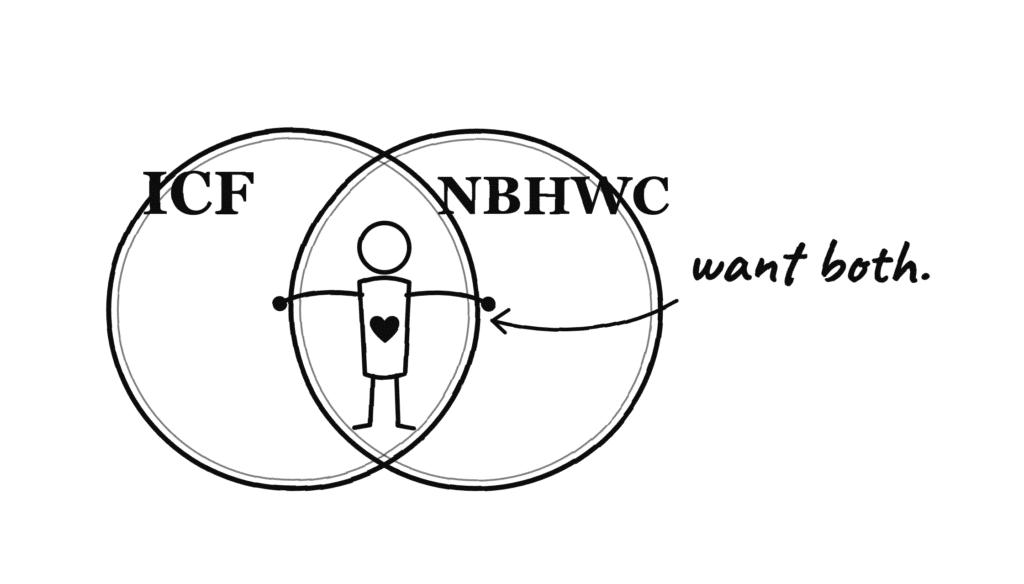
Some coaches take an additional step and pursue a professional credential through a coaching association. These credentials are often connected to organizations such as the International Coaching Federation or sometimes referred to as the International Coach Federation, which are widely recognized across the industry.
Training programs that align with these organizations often prepare students for ICF certification and other recognized professional credentials. These credentials help individuals demonstrate their skills and professionalism within the growing coaching industry and may support long term professional goals for individuals entering the field.
Why are more people entering the coaching profession?
Interest in life coaching has grown significantly as more people seek support with career transitions, personal development, and goal achievement. Professionals across many industries are discovering that becoming a professional life coach allows them to help others while building flexible and meaningful careers.
Many individuals entering this field already have experience in leadership, mentoring, education, or entrepreneurship. Others come from backgrounds in consulting, wellness services, or personal development.
This diversity of experience strengthens the field and allows coaches to serve different communities and professional groups. Some professionals eventually pursue various specializations such as executive coaching or wellness coaching after completing certification.
The Core Life Coach Certification Requirements

Most training pathways follow three general categories of requirements. These categories help ensure that coaches develop both practical skills and professional awareness.
These categories include training requirements, mentoring or supervision requirements, and experience or performance requirements.
Each category plays a different role in preparing someone to become a professional life coach. Together they create a balanced development process that combines education, practice, and real world application. Instead of focusing on theory alone, these requirements are designed to help aspiring professionals build the skills needed to guide meaningful conversations and support client growth.
Training Requirements
This part of the process focuses on learning the foundations of life coaching and understanding how coaching conversations are structured. Students learn core communication techniques such as active listening, asking thoughtful questions, and helping clients clarify goals. Many certification programs also introduce ethical standards and professional boundaries so coaches understand the responsibilities that come with working with clients.
The goal of the training phase is to provide a clear framework that new coaches can rely on when they begin conducting sessions. These programs often follow recognized competency models such as the ICF core competencies that outline essential coaching skills.
What training requirements are included in a certification program?
Most reputable certification programs include a structured learning environment where students develop core professional skills.
Common elements of training include:
- Live instruction sessions
- Practice conversations with other students
- Structured frameworks used by a great coach
- Ethical guidelines used throughout the profession
- Observed practice sessions to confirm skill development
A high quality coaching certification program places strong emphasis on real conversations rather than theory alone. Students repeatedly practice techniques such as active listening, thoughtful questioning, and structured session planning. These programs are typically part of a structured coach training program designed to meet industry standards.
How does a coaching certification program teach practical skills?
Because the field is not regulated in the same way as professions such as counseling or therapy, a bachelor’s degree is not usually required to become a certified life coach. Instead, most professionals develop their skills through structured training programs that emphasize practical experience.
This reflects the reality that coaching is largely an unregulated industry, which is why choosing the right education is important.
A coaching certification program typically combines instruction with hands on practice. Students learn core communication techniques and then apply them through guided exercises and practice sessions.
Many programs include small group activities where students rotate roles between coach and client. This approach helps participants understand how real coaching conversations unfold while developing confidence in guiding discussions.
By the end of training, students usually understand how to structure sessions, ask thoughtful questions, and support productive conversations as a certified life coach.
Mentoring or Supervision Requirements
During this stage, aspiring coaches receive feedback from experienced professionals who review their work and help refine their skills. Mentors may listen to recorded sessions, observe live conversations, or participate in group feedback discussions. This process helps coaches become more aware of how they communicate, how they guide conversations, and how they support clients without directing their decisions. Mentoring allows students to strengthen their coaching presence and gain confidence before working independently with clients.
Why is mentor coaching important for professional development?
Many certification pathways include mentor coaching. Mentor coaching involves receiving feedback from an experienced effective coach who reviews your sessions and helps you improve.
Mentor coaching typically includes:
- Group review sessions
- Individual feedback on recorded sessions
- Structured evaluation using professional competencies
This type of guidance helps new professionals refine their communication skills and understand how to support clients without directing their decisions.
How does mentor coaching improve coaching skills?
Mentor coaching creates a structured feedback process. Coaches review session recordings and discuss what worked well and where improvement is needed.
This feedback allows students to improve their listening abilities, strengthen their questioning skills, and maintain professional boundaries during conversations.
Over time, this process helps aspiring coaches develop greater confidence when working with clients.
Experience or Performance Requirements
Many certification pathways require aspiring coaches to complete a certain number of practice sessions with real clients. These sessions allow coaches to apply what they learned during training while continuing to improve their communication and facilitation skills.
Logging these sessions helps demonstrate that a coach has gained practical experience and understands how to guide conversations effectively. This stage is also where many new coaches begin strengthening their coaching process and learning how to guide consistent sessions from beginning to end.
Experience requirements ensure that a certified life coach has moved beyond theory and has demonstrated the ability to apply coaching techniques in real conversations.
What experience requirements exist for certification?
If you pursue professional credentials through organizations like the International Coaching Federation, you will often need documented coaching hours.
Common experience requirements include:
- Logged coaching sessions with clients
- A coaching ethics component
- Recorded sessions submitted for evaluation
These requirements help confirm that candidates can apply coaching frameworks and communication skills in real situations. They also ensure that individuals seeking certification have practiced the methods taught during their training program.
How do training, mentoring, and experience requirements work together?
Training, mentoring, and experience requirements are designed to build skills in stages. Each stage reinforces the others and helps aspiring coaches develop both competence and confidence.
Training provides the knowledge and structure that explain how coaching conversations are conducted. Mentor coaching provides feedback that helps students refine their approach and improve their communication skills. Experience requirements allow individuals to apply those skills in real client sessions.
When these three components are combined, they create a structured pathway that prepares individuals to become a certified life coach.
How long does it take to complete Life Coach Certification Requirements?

The time required to complete life coach certification requirements varies depending on the training program and certification pathway.
Some certification programs can be completed in a few months, while others may take a year or more if they include extended mentor coaching or required coaching hours. Programs that prepare students for professional credentials often include additional practice sessions and evaluation requirements.
The timeline typically depends on three factors:
- Training hours required by the program
- Mentor coaching sessions
- Documented coaching experience hours
Programs that include structured practice and mentoring may take longer to complete, but they often provide stronger preparation for working with clients. You can review program pricing and timelines to compare options.
What role do ethics play in Life Coach Certification Requirements?
Ethics are a core component of most certification pathways. Training programs typically introduce ethical standards early in the curriculum so students understand how to work responsibly with clients.
These standards often include expectations related to confidentiality, client autonomy, and maintaining clear professional boundaries. Many certification programs also include an ethics assessment or require students to demonstrate their understanding of ethical guidelines during observed sessions.
Ethics requirements help ensure that certified professionals operate responsibly and maintain trust within the coaching profession.
What should you look for in the right certification path?
Choosing the right path for certification involves evaluating several important factors. Not all programs follow the same structure, so it is important to understand what is included in the training.
Prospective students often review:
- Program curriculum and training hours
- Opportunities for live practice sessions
- Availability of mentor coaching
- Alignment with professional credentialing organizations
Programs that include structured practice, mentoring, and clear evaluation criteria typically provide a stronger foundation for developing coaching skills.
Are Life Coach Certification Requirements regulated?
One important thing to understand is that life coach certification requirements are not regulated in the same way as professions such as therapy, medicine, or counseling. There is no universal government license required to practice as a life coach.
Instead, certification standards are typically created by professional organizations and training institutions. These groups establish guidelines that define what skills, training hours, and practical experience are expected before someone can present themselves as a certified professional.
Because of this structure, the quality of certification programs can vary. Aspiring coaches should carefully review what a program includes and whether it follows recognized industry standards.
A simple way to understand Life Coach Certification Requirements
A strong certification pathway generally includes four core elements:
- Training through a structured coaching certification program
- Mentor coaching and professional feedback
- Documented coaching experience
- Ethical guidelines and professional standards
Together, these elements help aspiring professionals develop the knowledge and practical skills required to become a certified life coach.
Final thoughts
Life coach certification requirements aren’t meant to be about checking certain boxes. They are meant to help coaches develop the skills needed to guide productive conversations with clients. Training programs, mentoring, and practical experience all contribute to building those skills.
When individuals choose a program that emphasizes practice, feedback, and professional standards, they gain the preparation needed to begin working with clients as a certified life coach.
Understanding these requirements early helps aspiring professionals choose the certification pathway that best supports their goals within the coaching profession. To explore one structured pathway, visit the CTEDU about page to learn more about the program’s approach and values.