
January has quietly become the unofficial month of life coaching.
It is the time of year when conversations about change, intention, purpose, and direction move from the abstract into the everyday. People pause. They reflect. They ask better questions. In many ways, January creates the cultural conditions that coaching thrives on.
I have written before about the benefits and drawbacks of New Year’s resolutions in an earlier post on the Coach Training EDU blog. Resolutions can be clarifying. They can also become overly rigid, moralized, or disconnected from how human behavior actually changes. Both things are true.
This year, I want to wade back into one of my favorite resolution debates, not to settle it, but to explore it.
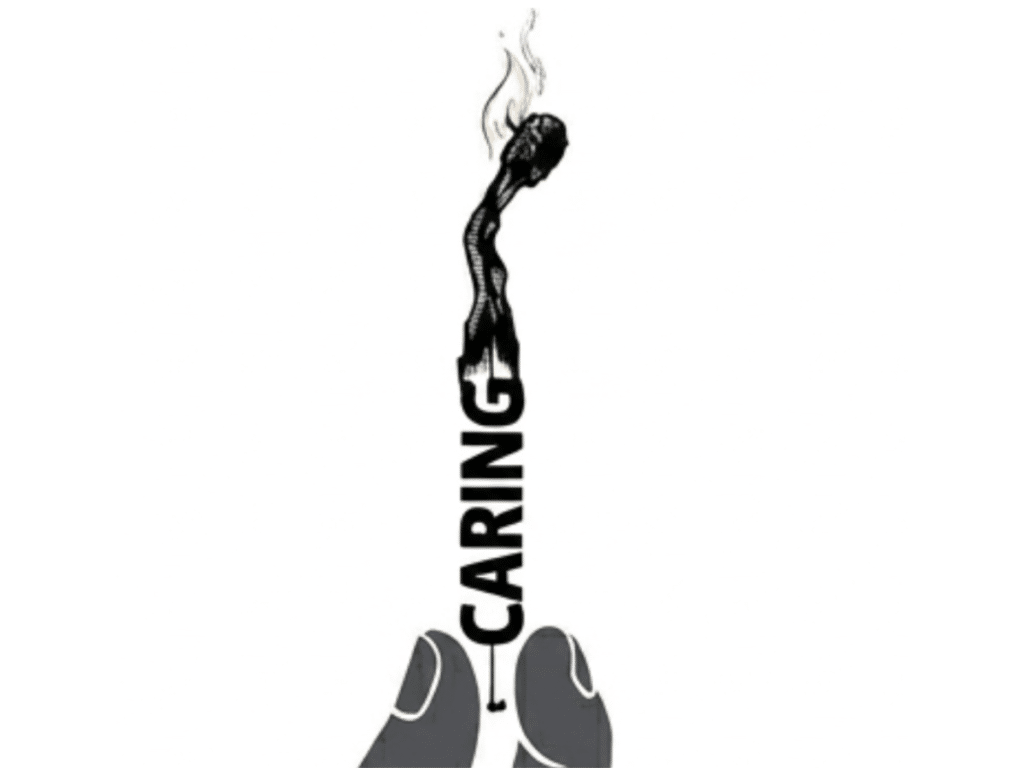
Is it better to make a resolution to start something new, or is it better to make a resolution to stop doing something that is no longer serving you?
As with most meaningful coaching questions, the real answer is not either or. It is both and. But for the sake of curiosity, and because exploration itself is useful, let us look at both sides.
I will also say that this year, personally, I am leaning more toward the stop doing side. I am experimenting with an intentionally narrow focus, clearing space so I can give sustained attention to three professional projects that are already underway. That choice has sharpened my thinking about what stop resolutions actually ask of us.
A Very Old Idea of Starting Fresh
The idea of beginning again at the turn of the year is far older than modern self-improvement culture.
More than four thousand years ago, the Babylonians marked the new year during a spring festival known as Akitu. This was not a casual moment. It was a public and communal reset. People made promises to repay debts, return borrowed goods, and restore right relationships. The intention was to enter the new year with a clean slate, socially and morally, and to remain in good standing with the gods¹.
Later cultures carried this forward. The Romans honored Janus, the god of doorways and transitions, who looked backward and forward at the same time. Early Christian traditions used the new year as a period of reflection and recommitment. Across cultures, the pattern repeats. Pause. Reflect. Repair. Begin again.
What is striking is that these early resolutions were not simply about stopping bad behavior. They were about restoring order and committing to better action.
What is the Case for Stop Doing Resolutions?

Stop doing resolutions appeal to our clarity.
Stop overworking
Stop scrolling late at night
Stop saying yes to everything
These types of resolutions name a real problem. They often emerge from frustration or fatigue, and they can bring immediate awareness to patterns that have been running on autopilot.
There are situations where stopping truly matters. Harmful behaviors, chronic overextension, and misaligned commitments sometimes need a clear boundary.
The challenge is that habits do not disappear just because we decide they should. Research on habit formation shows that habits are automatic responses to cues in our environment. When we try to remove a habit without replacing it, we often create a vacuum that the old behavior quickly fills¹.
Stop only resolutions rely heavily on inhibition and willpower. Those resources fluctuate. Under stress or fatigue, they tend to fail quietly.
This does not make stop resolutions wrong. It makes them incomplete unless they are paired with something else.
What is the Case for Start Doing Resolutions?

Start doing resolutions feel different in the body.
Start walking after dinner
Start planning my week on Sunday
Start closing my laptop at a consistent time
These different resolutions give the brain something to practice. They create structure instead of restriction.
Research on implementation intentions shows that when people link a specific cue to a specific action, follow through improves significantly². Saying when and where a behavior will happen matters.
Start doing resolutions are also usually framed as gains rather than losses. Studies on goal framing suggest that positively framed goals are associated with greater persistence and higher perceived success, particularly for self directed change like New Year’s resolutions³.
There is also an identity effect. Starting a behavior supports the story, I am someone who does this. That identity based momentum tends to last longer than motivation built on avoidance or self correction.
Why the Real Answer Is Both and
Here is where the ancient tradition and modern psychology meet.
The Babylonians did not just stop doing what was wrong. They committed to doing something better. They restored debts. They repaired relationships. They acted differently.
The most effective resolutions today follow the same structure.
Stop doing X by starting Y.
Stop working late by starting a clear shutdown ritual
Stop doomscrolling by starting a reading habit
Stop overcommitting by starting a weekly prioritization practice
This approach respects how habits actually change. It replaces rather than suppresses. It builds structure instead of relying on restraint.
Why This Both and Approach Aligns With Life Coaching
Life coaching does not work by issuing ultimatums to the self. It works by increasing awareness, expanding choice, and designing practices that align with values and identity.
A stop only resolution often sounds like self judgment.
A start only resolution can ignore what truly needs to be released.
A both and resolution sounds like agency.
I choose to stop what drains me, and I choose to start what supports who I am becoming.
That is a coaching move.
It is also why January fits coaching so naturally. January invites reflection, not perfection. It invites intentional experimentation. It invites us to decide what we will continue, what we will release, and what we will practice next.
This year, whether you are stopping, starting, or intentionally doing less so you can do what matters better, the real work is the same. You are choosing your direction, not reacting to habit.
And that, more than any resolution, is where meaningful change begins.
Footnotes
- History.com, The History of New Year’s Resolutions. This article documents the Babylonian Akitu festival and the practice of repaying debts and restoring social order at the start of the new year.
- Gollwitzer, P. M. Implementation Intentions. American Psychologist. Research demonstrating that cue linked plans significantly increase goal attainment.
- Oscarsson, M. et al. A New Year, A New Me. Scandinavian Journal of Psychology. Study showing higher success rates for positively framed resolutions.